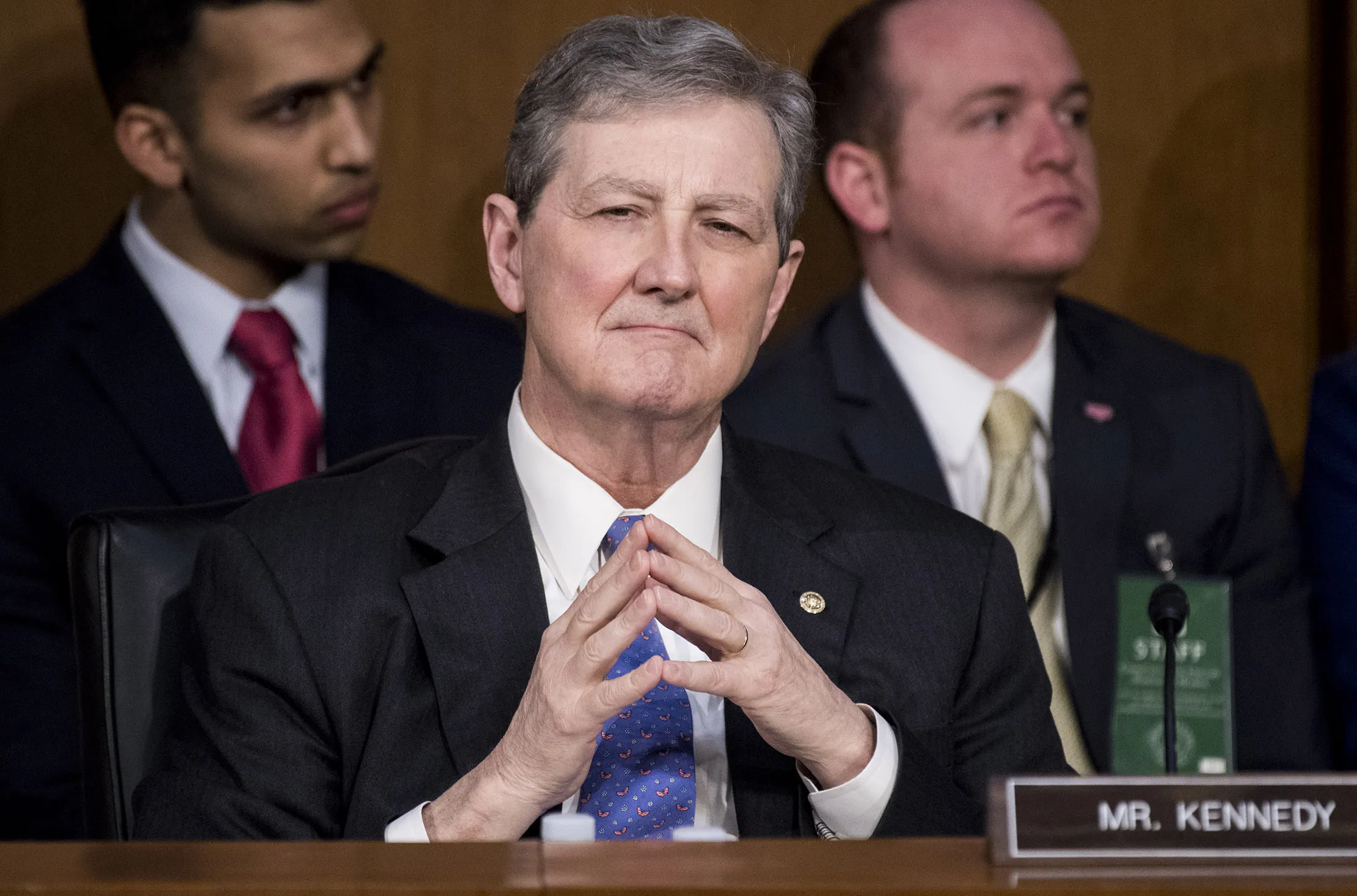
In a powerful and emotional moment that sent shockwaves through Washington and the country, Speaker John Neely Kennedy addressed a room full of reporters and colleagues, delivering a stark and chilling warning after the devastating update on National Guardswoman Sarah Beckstrom. Kennedy’s message, lasting a mere 28 seconds, has become a defining moment of the year—one that resonates with Americans across the political spectrum.
The moment was not filled with dramatic pauses or flashy rhetoric. It was brief, but it was precise. When Kennedy was informed that Sarah Beckstrom, a National Guardswoman who had served her country with honor, was not expected to survive, the weight of that news settled heavily upon him. The room grew quiet as he gripped the podium, his voice steady but filled with an undeniable gravity. The emotions were clear, yet the words he chose spoke to a deeper, more urgent concern that transcended politics.
A Tragic Loss — And A National Crisis
The news of Beckstrom’s likely death was devastating on many levels. As a member of the National Guard, Beckstrom had dedicated her life to protecting the citizens of the United States, embodying the very essence of sacrifice and service. Her potential loss represented not just the tragedy of one soldier, but a symbol of the broader dangers faced by those who serve in the military.
However, it was Kennedy’s response to this tragic update that truly shook the room. In the brief moments that followed the news, Kennedy took a breath and addressed the nation. He looked down briefly, as if collecting his thoughts, before speaking directly into the microphone. The press room, normally filled with journalists eager for the next soundbite, fell into a profound silence.
“A father is holding his dying daughter’s hand,” Kennedy began. His words were simple, yet laden with the weight of the situation. “America is drowning in violence—and we’re acting like it’s normal.” The room held its breath, sensing that the next words would carry even more significance.
Kennedy’s statement wasn’t just about the individual loss of a soldier. It was about a growing crisis in America—one that has seen a steady rise in violence, division, and a sense of insecurity that affects all Americans. For many, Kennedy’s words were a sobering reflection on the state of the nation and its ability to protect the very people who are sworn to protect it.
A Soldier’s Sacrifice — And America’s Growing Crisis
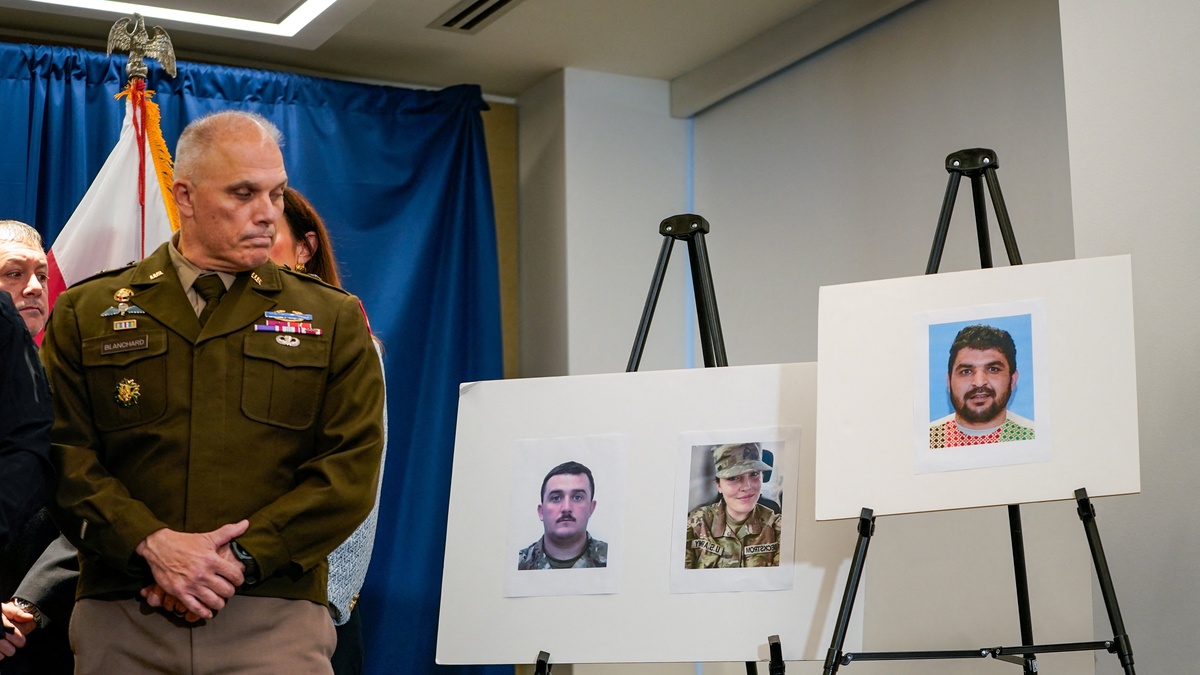
The tragic story of Sarah Beckstrom has sparked widespread outrage and concern. A National Guardswoman, she had been stationed in a high-risk area and was exposed to extreme danger while on duty. Now, the news of her critical condition—after being caught in a violent incident—is not just a reminder of the sacrifices made by military personnel but also of the growing risks they face even within the safety of their own country.
The military has always been a symbol of security, a force that stands between American citizens and the threats that lurk beyond its borders. But in recent years, a disturbing trend has emerged in which military personnel are increasingly exposed to violence and danger within the United States itself. The rise of domestic violence, random shootings, and attacks on law enforcement and military members has created an environment where those who serve their country are no longer guaranteed the safety they deserve.
Kennedy’s remarks reflect a growing frustration among many Americans that the government has not done enough to curb this rising tide of violence. He wasn’t simply speaking to the political elite in Washington—his words were aimed at the broader public, calling on the nation to reflect on its priorities and its treatment of those who serve. If the men and women in uniform aren’t safe, then what hope is there for the safety of ordinary Americans?
The Statement That Went Viral: A Call to Action
It was at this moment that John Neely Kennedy delivered the line that has since gone viral across the nation. “If a uniformed soldier can’t be protected… what chance does any American have?”
In that simple sentence, Kennedy captured the fear, frustration, and urgency felt by millions of Americans. The question wasn’t just a rhetorical flourish—it was a challenge to the entire political system. If those who put their lives on the line to protect the country cannot be kept safe, what does that say about the state of the nation? What does it say about the government’s ability to protect its citizens at large?
The line struck a chord with people from all walks of life. On social media platforms, the hashtag #IfASoldierIsntSafe trended for hours as people shared their thoughts and reactions. The viral moment wasn’t just about Kennedy’s political stance—it was a reflection of a collective national anxiety about the direction the country is headed in.
Americans are increasingly worried about their own safety, with rising crime rates, school shootings, and violent protests plaguing cities across the country. The sense of security that many once took for granted has been eroded, and the tragedy surrounding Sarah Beckstrom has become a symbol of that decline. Kennedy’s words gave voice to this fear, forcing people to confront the uncomfortable truth that the systems in place to protect them may not be as strong or reliable as they once believed.
The Growing Threat to National Security
Kennedy’s comments also pointed to a deeper concern: the vulnerability of national security itself. If military personnel, the very people tasked with defending the nation, are at risk of violence and harm on American soil, what does that say about the country’s preparedness in the face of external threats? The military is the first line of defense against foreign adversaries, but in a country where even those who wear the uniform are unsafe, the foundation of national security begins to crumble.
This is not a new issue, but Kennedy’s stark reminder has brought it into the forefront of the national conversation. The growing threat of domestic violence, coupled with the rise of extremist groups and random acts of aggression, has exposed serious weaknesses in the nation’s ability to ensure the safety of its own people. As the tragic case of Sarah Beckstrom illustrates, the lines between foreign and domestic threats are blurring, and the nation must take immediate action to protect its citizens—both at home and abroad.
A Call for Stronger Protection and Leadership
While Kennedy’s statement was directed at the growing violence within the U.S., it also called attention to the broader issue of leadership. Leadership, in Kennedy’s view, is about more than just making speeches or holding positions of power—it’s about ensuring the safety and security of all citizens, especially those who serve the country.
As Americans face increasing threats on all sides, the country is at a crossroads. Kennedy’s remarks called for stronger, more decisive action from Washington and from local leaders to address the escalating violence and protect those who are tasked with defending the nation. If a soldier isn’t safe, as Kennedy pointed out, it’s a reflection of a deeper failure to protect the citizens they serve.
The viral moment in the press room wasn’t just a dramatic political statement—it was a rallying cry for all Americans to reconsider their approach to security and violence. It was a call for leadership that prioritizes the safety of the people, rather than political maneuvering or partisan divides.
A Nation’s Reflection
As Kennedy’s 28-second warning continues to reverberate through the nation, it is clear that his message has struck a nerve. Whether it’s the tragic death of Sarah Beckstrom or the rising tide of violence across the nation, the underlying issue is one of security—and the failure of leadership to address it.
Kennedy’s remarks are a wake-up call, urging Americans to reflect on the state of their country and the direction it is heading. If those who serve and protect the country aren’t safe, then the nation itself is at risk. And it’s up to all of us to demand the changes necessary to safeguard our future.
In the coming weeks, as the debate continues, it will be interesting to see if Kennedy’s message sparks meaningful action—or if it fades into the background like so many political soundbites before it. But one thing is certain: his words have already left an indelible mark on the national conversation, forcing the country to confront an uncomfortable truth about its priorities, its leadership, and its future.
Conclusion
John Neely Kennedy’s brief but powerful statement after the tragic update on Sarah Beckstrom has become a defining moment in the national discourse. His chilling warning about the state of national security and the protection of those who serve has resonated with millions of Americans. As the country grapples with increasing violence and threats to security, Kennedy’s call for stronger leadership and protection remains a critical issue. Whether his message leads to real change remains to be seen, but one thing is clear: it has sparked a much-needed conversation about the future of safety and security in America.