Outside Duke University, amid tightened security and mounting pressure to enter an intense USA Basketball camp, Caitlin Clark made a decision that instantly collided with protocol, expectation, and the modern obsession with efficiency over humanity.
She did not have to stop, and everyone knew it, including security staff tasked with moving her quickly through the area as schedules tightened and the weight of elite preparation loomed heavily.
Yet Clark paused anyway, stepping toward a crowd that represented no single team, school, or allegiance, but rather the shared language of basketball fandom stitched together through jerseys from everywhere.
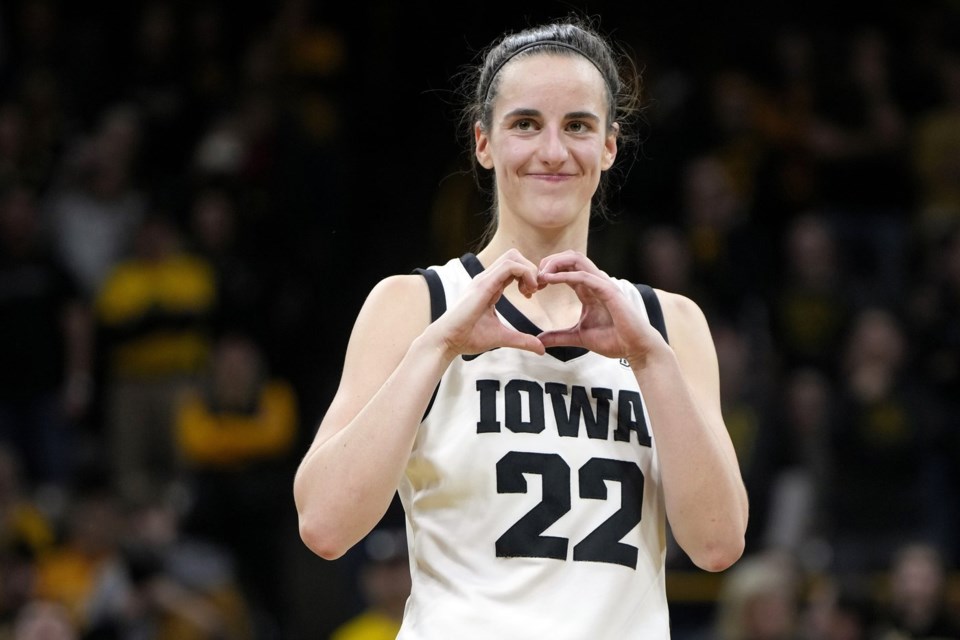
Fans wore Iowa colors, WNBA gear, college logos, and homemade shirts, a chaotic patchwork that reflected how Clark’s influence has escaped neat branding boxes and entered something far more personal.
Witnesses say the moment unfolded without announcement or spectacle, no stage lighting or press prompt, just a star choosing presence over punctuality while handlers signaled urgency from a few uneasy steps away.
In an era when athletes are trained to protect time, image, and energy like finite resources, Clark’s decision read as almost rebellious, a quiet refusal to treat fans as obstacles rather than participants.
Phones shot upward instantly, not because anyone was promised a viral clip, but because something unscripted was happening, something that felt increasingly rare in polished modern sports culture.
Clark signed autographs slowly, made eye contact, smiled with genuine warmth, and listened, behavior that some critics dismiss as expected but fans insist feels extraordinary when it is no longer guaranteed.
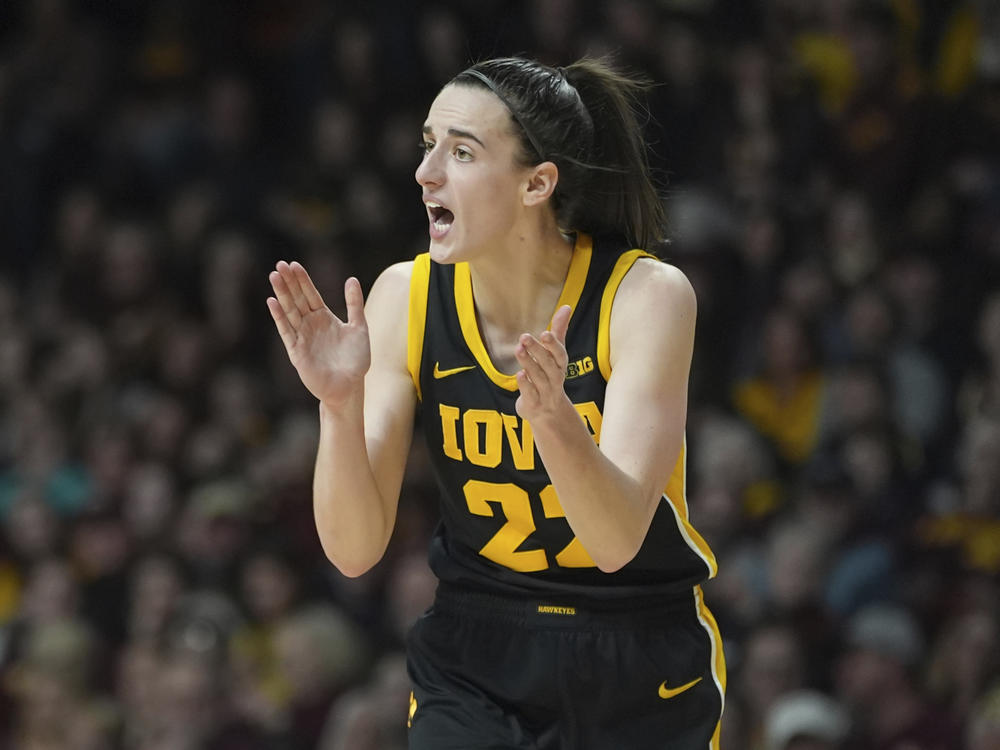
What fueled the internet’s reaction was not just that she stopped, but how long she stayed, stretching moments while security hovered, visibly torn between enforcement and respect.
Online debates erupted within hours, with supporters calling Clark “the people’s champion,” while skeptics argued that such moments distract from professionalism and feed unrealistic expectations for athletes.
That tension only amplified the story’s reach, because it touched a nerve far beyond one player, questioning whether modern sports still values connection as much as performance metrics and tightly managed appearances.
Observers also noted who stood beside Clark during the interaction, quietly supportive and unbothered by the delay, reinforcing perceptions about the company she keeps and the values she cultivates.
For many fans, that detail mattered almost as much as Clark herself, suggesting that character is not only individual but reinforced through surrounding relationships.
Critics online questioned whether these moments are becoming calculated branding strategies, carefully curated authenticity designed to maximize loyalty and long term marketability.
Supporters pushed back fiercely, arguing that no marketing team would risk delaying a USA Basketball schedule for a few uncertain minutes of fan interaction.
Sports psychologists weighed in, noting that athletes who maintain human connection often sustain healthier relationships with pressure, grounding themselves beyond the isolating bubble of elite competition.
The location outside Duke added another layer, symbolic for its deep basketball legacy, as if the moment bridged generations of fandom across rivalries and histories.
Some commentators argued that Clark’s gesture unintentionally highlights a growing divide between stars who engage and institutions that prioritize control, timing, and risk avoidance.
Others framed it as a simple act blown out of proportion by a content hungry internet desperate for sincerity amid endless outrage cycles.
Yet the reaction was undeniable, with millions engaging, sharing, and debating what should have been a forgettable transition between locations.
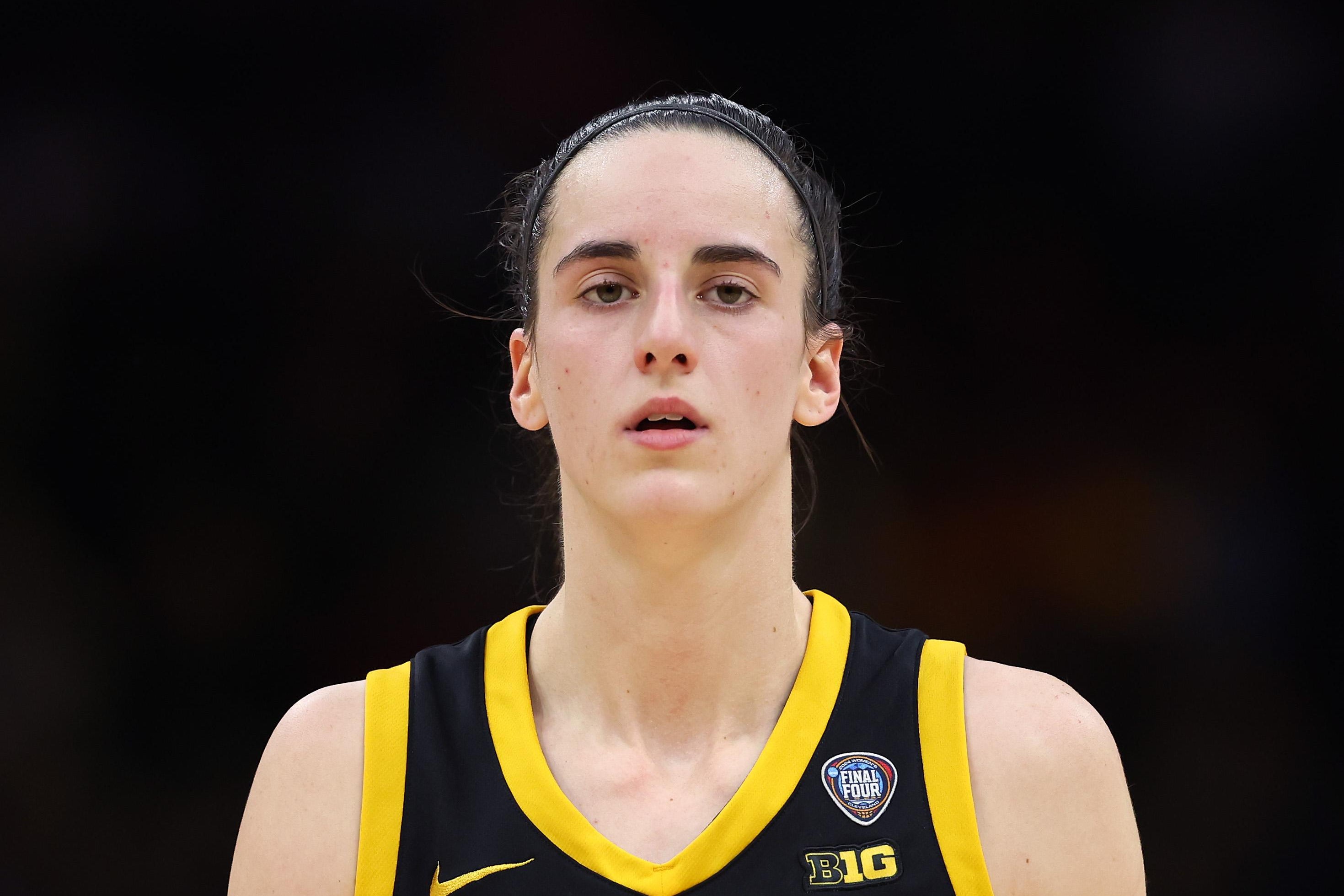
That alone suggests something deeper resonated, perhaps a longing for athletes who still feel accessible in a landscape increasingly shaped by contracts, branding clauses, and managed distance.
Clark’s supporters argue that moments like this build the sport itself, creating lifelong fans who feel seen rather than monetized.
Detractors counter that hero narratives place unfair emotional labor on athletes, especially women, who are expected to be both elite performers and endlessly available.
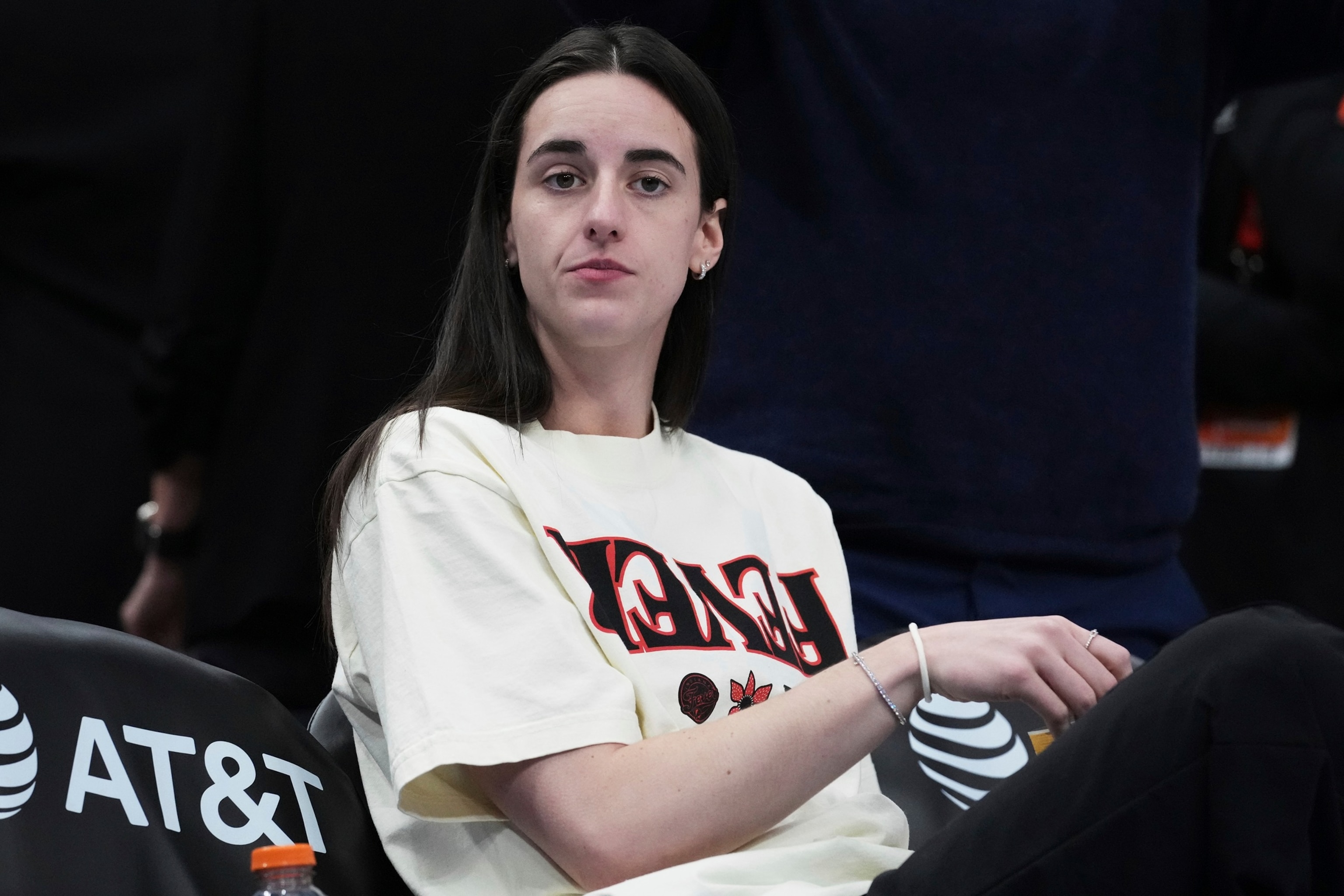
The discussion quickly expanded beyond Clark, morphing into a broader conversation about entitlement, gratitude, and where responsibility truly lies in modern fandom.
Still, most agreed on one point, that the cameras almost missed what mattered, because the moment was not designed for them in the first place.
It was spontaneous, inefficient, and emotionally disruptive, qualities rarely rewarded in high performance systems.
And yet, those very qualities are what propelled the story across platforms at lightning speed.
Clark did not give a speech, make a statement, or post a caption explaining herself afterward.
She simply showed up for people when she did not have to.
In today’s sports culture, that choice alone was enough to stop everything.